
Retatrutide is discussed in educational research materials. This information provides general background details and scientific context for learning purposes only.
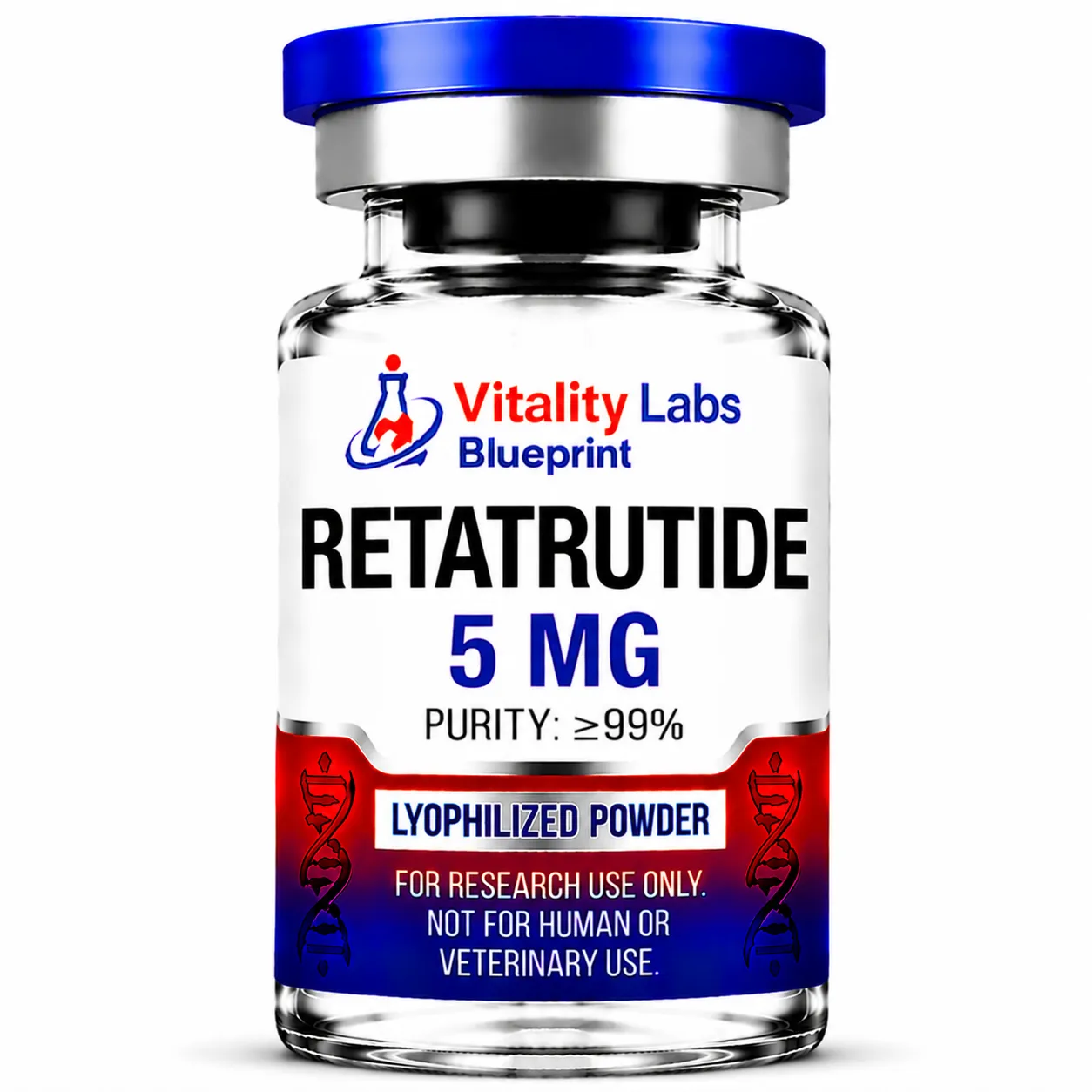
For additional scientific background, review Retatrutide-related educational materials covering mechanisms, research findings, limitations, and general scientific information.
Educational information covering material preparation and general research reference details.
| Phase | Weekly | Research Measurement Details | Vials Needed |
|---|---|---|---|
| Weeks 1–4 | 2 mg (2000 mcg) | 40 units (0.40 mL) | 1 vial |
| Weeks 5–8 | 4 mg (4000 mcg) | 80 units (0.80 mL) | 1 vial |
| Weeks 9–12 | 6 mg (6000 mcg) | 120 units (1.20 mL) | 2 vial |
| Weeks 13+ | 8 mg (8000 mcg) | 160 units (1.60 mL) | 2 vial |
Administration Schedule: Information is provided for educational reference purposes. Material preparation details may vary depending on the specific research context.
Preparation Steps
| Phase | Weekly | Research Measurement Details | Vials Needed |
|---|---|---|---|
| Weeks 1–4 | 2 mg (2000 mcg) | 40 units (0.40 mL) | 1 vial |
| Weeks 5–8 | 4 mg (4000 mcg) | 80 units (0.80 mL) | 1 vial |
| Weeks 9–12 | 8 mg (8000 mcg) | 160 units (1.60 mL) | 2 vial |
| Weeks 13+ | 12 mg (12000 mcg) | 240 units (2.40 mL) | 3 vial |
Note: The information presented here is intended for educational and research reference purposes only. Available scientific studies have explored Retatrutide through different research approaches and evaluation methods. This section provides general background information about current scientific discussions. It does not represent individual guidance, medical recommendations, diagnosis, or treatment information. Retatrutide is currently discussed as a research compound, and readers should refer to appropriate scientific resources for further understanding.
Important: This information is provided for educational and general research reference purposes only.
The content is intended to provide general background information and does not represent medical guidance, personal recommendations, or individual use instructions.
Plan based on a 12–24 week weekly research schedule with gradual adjustment.
Available materials may include:
Concise summary of the weekly research information.
Suggested weekly research approach from available references.
Proper storage preserves material quality and stability.
Practical considerations for consistency and safety.
General observations from available scientific references.
Complementary strategies that support general wellness and healthy habits.
General educational information from available research references.
— Clinical pharmacokinetics of semaglutide: systematic review (includes cagrilintide PK data)
— You Call the Shots: Administration Reference Diagram and Educational Information
— Efficacy and safety of cagrilintide and CagriSema: systematic review and meta‑analysis