
This section provides organized information about scientific materials, their characteristics, and related educational topics.
| Phase | Weekly | Research Measurement Details | Vials Needed |
|---|---|---|---|
| Weeks 1–4 | 2 mg (2000 mcg) | 20 units (0.20 mL) | 1 vial |
| Weeks 5–8 | 4 mg (4000 mcg) | 40 units (0.40 mL) | 1 vial |
| Weeks 9–12 | 6 mg (6000 mcg) | 60 units (0.60 mL) | 1 vial |
| Weeks 13+ | 8 mg (8000 mcg) | 80 units (0.80 mL) | 1 vial |
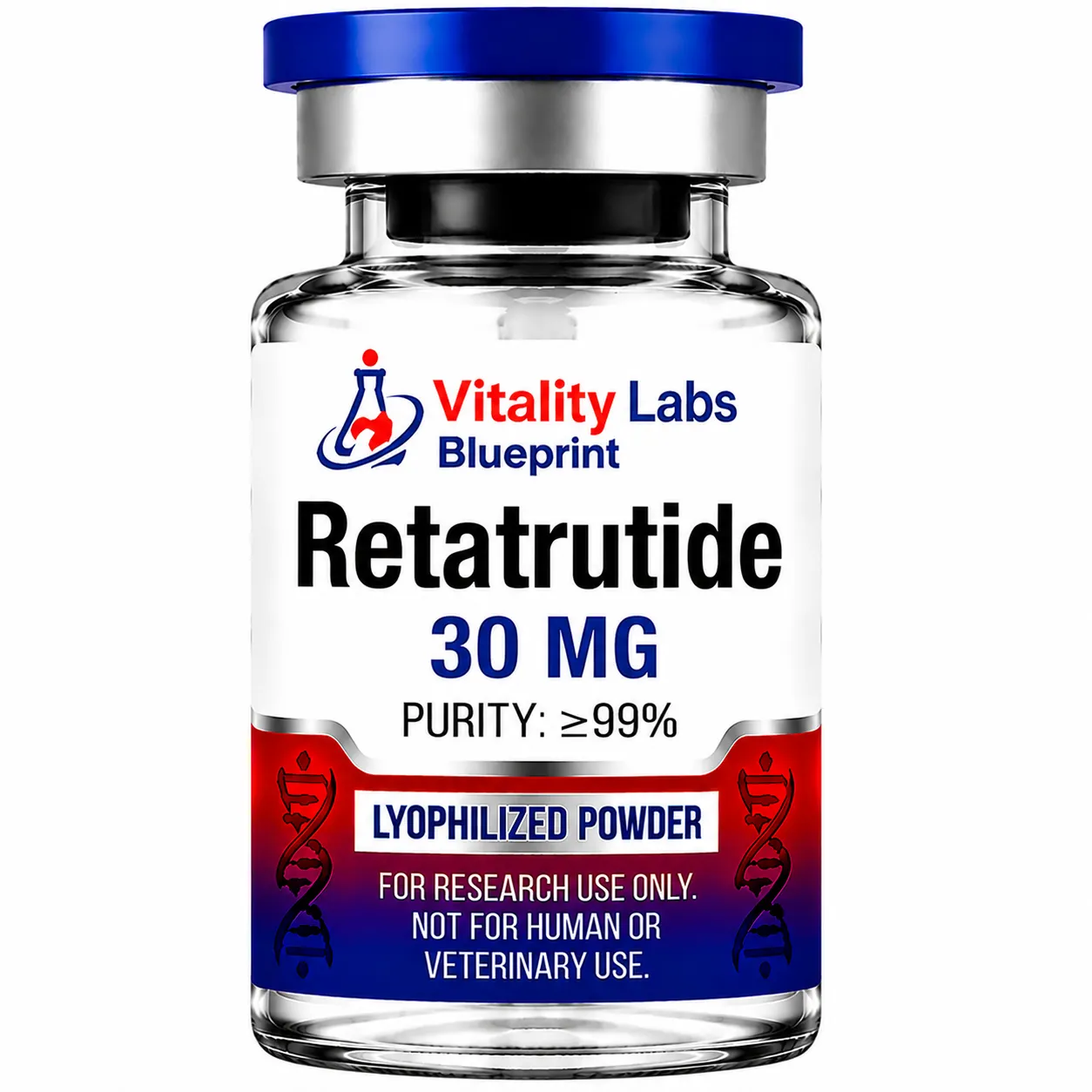
Note: Administer once weekly by the subcutaneous route. All amounts ≤12 mg can be prepared from one reconstituted 30 mg vial, making this an efficient vial size for complete schedules. Volumes >1.0 mL may be prepared in separate portions to ensure proper absorption.
Preparation Information
| Phase | Weekly | Research Measurement Details | Vials Needed |
|---|---|---|---|
| Weeks 1–4 | 2 mg (2000 mcg) | 20 units (0.20 mL) | 1 vial |
| Weeks 5–8 | 4 mg (4000 mcg) | 40 units (0.40 mL) | 1 vial |
| Weeks 9–12 | 8 mg (8000 mcg) | 80 units (0.80 mL) | 1 vial |
| Weeks 13+ | 12 mg (12000 mcg) | 120 units (1.20 mL) | 1 vial |
Note: The 12 mg amount represents the highest amount tested in Phase 2 trials, producing maximum weight-loss efficacy (~24% body weight at 48 weeks). All amounts ≤12 mg can be prepared from one reconstituted 30 mg vial. Volumes >1.0 mL should be prepared in 2 separate portions. Gradual titration is critical to minimize gastrointestinal side effects.
Important: This guide is for educational and research purposes only and is not medical advice. Retatrutide is not FDA-approved and is available only for research use. All weekly amounts should follow published clinical study guidance.
Concise summary of the once-weekly schedule.
Suggested weekly titration approach from clinical trials.
Proper storage preserves peptide quality and stability.
Retatrutide’s unique mechanism of action stems from its triple-agonist design. By activating GLP-1 and GIP receptors, it enhances insulin secretion (when glucose is present) and suppresses appetite, similar to existing incretin therapies. Additionally, Retatrutide’s glucagon receptor agonism raises metabolic rate and promotes energy expenditure, further amplifying fat burning and weight loss beyond GLP-1/GIP effects alone. The peptide is engineered with a fatty-acid moiety to extend its circulation time (half-life ~6 days), allowing for once-weekly. The combined hormonal activation leads to reduced calorie intake, increased satiety, and enhanced lipid oxidation, yielding potent weight loss and glycemic control. Preclinical studies confirmed that adding glucagon activity helps counteract the body’s adaptive slowing of metabolism during weight loss. In essence, Retatrutide tackles three metabolic pathways at once, resulting in greater efficacy in lowering blood glucose and body fat than single- or dual-agonist therapies.
General observations from available educational references.
Complementary strategies for optimal metabolic outcomes.
General educational information about available resources and scientific concepts.
The following information provides general educational context related to scientific discussions and available background materials.
— Jastreboff AM, et al. Triple-hormone-receptor agonist Retatrutide for obesity: Phase 2 trial (48-week study, up to 24% weight loss)