This BPC-157 + TB-500 blend information is provided for general research and educational reference only. For protocol-specific details, availability, or additional information, please contact us on Telegram. This content is not intended as medical advice, treatment guidance, or usage instruction.
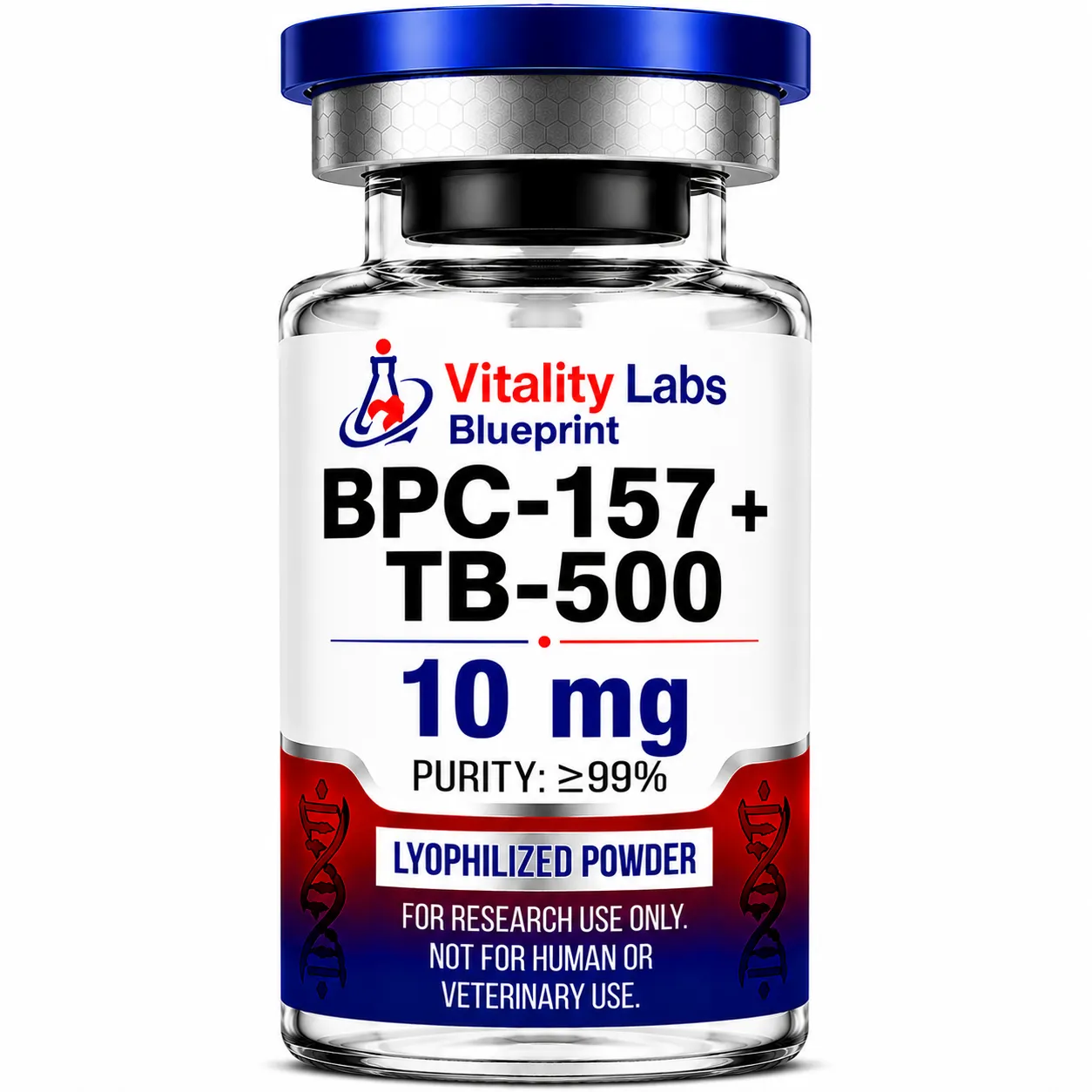
BPC-157 + TB-500 blend information is provided for general research and educational reference only. This guide is intended to share general protocol information and should not be considered medical advice, treatment guidance, or usage instruction. For protocol-specific details or availability, please contact us on Telegram.
Route: Subcutaneous Research | Frequency: Once daily
| Week | Daily Blend | Blend Split | Units (mL |
|---|---|---|---|
| Weeks 1–2 | 500 mcg (0.5 mg) | ~250 mcg each | 7.5 units (0.075 mL) |
| Weeks 3–4 | 666 mcg (0.67 mg) | ~333 mcg each | 10 units (0.10 mL) |
| Weeks 5–8 | 1,000 mcg (1.0 mg) | ~500 mcg each | 15 units (0.15 mL) |
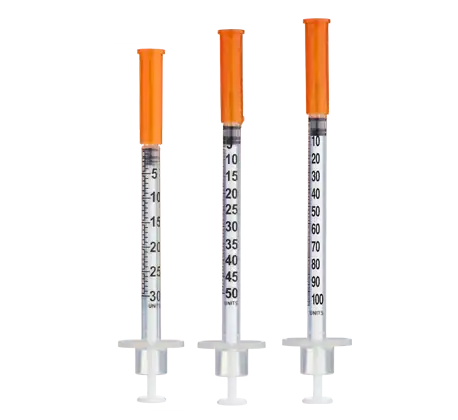
For ≤10-unit (≤0.10 mL) administrations during Weeks 1–4, consider using 30- or 50-unit insulin syringes for improved readability.
Laboratory Research Considerations
Some protocols use a higher TB-500 loading during the first 2–4 weeks based on clinical monograph recommendations. This schedule uses higher total blend volumes.
Route: Subcutaneous Research | Frequency: Once daily or split twice weekly for TB-500 loading
| Timeline | Baseline Value | Blend Ratio | Volume Equivalent |
|---|---|---|---|
| Loading (Weeks 1–4) | 1,500 mcg (1.5 mg) | ~750 mcg each | 22.5 units (0.225 mL) |
| Maintenance (Weeks 5–8) | 1,000 mcg (1.0 mg) | ~500 mcg each | 15 units (0.15 mL) |
Note: For additional protocol information, please contact us on Telegram.
Important: This guide is for educational purposes only and is not medical advice. For research use only. Not for human consumption.
Concise summary of the once-daily regimen.
Suggested daily titration approach.
Proper storage preserves peptide quality and stability.
Practical considerations for consistency and safety.
BPC-157 is a synthetic pentadecapeptide (15 amino acids) originally isolated from human gastric juice. Preclinical research indicates it exerts cytoprotective effects across multiple organ systems, promotes angiogenesis, modulates nitric oxide pathways, and interacts with growth-factor systems involved in tissue repair. TB-500 (Thymosin β4) is a naturally occurring peptide that regulates actin polymerization, promotes cell migration, reduces inflammation, and supports wound healing and tissue regeneration[3][4]. The combination is hypothesized to provide complementary mechanisms for accelerated musculoskeletal and soft-tissue recovery.
Observations from preclinical and early clinical literature.
Complementary strategies for best outcomes.
General subcutaneous guidance from clinical best-practice resources.
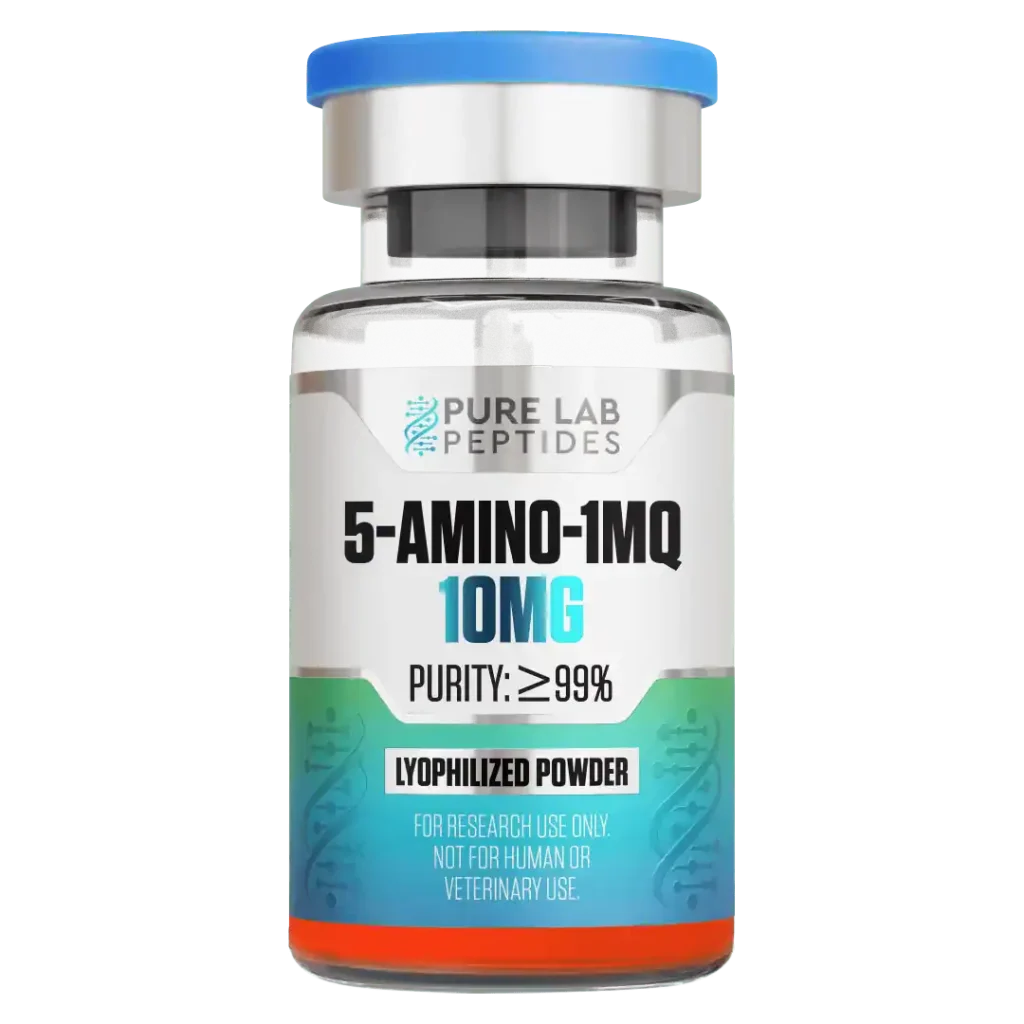
We recommend Vitality Labs Peptides for high-purity BPC-157 + TB-500 (10 mg blend).
This content is for educational purposes only and is not medical advice.
Explore related research protocols and background reading for BPC-157 + TB-500.