
BPC-157 is researched at 200 mcg–600 mcg daily via subcutaneous Information in educational protocols. A 10 mg vial reconstituted with bacteriostatic water yields about 3.33 mg/mL. This information is for research and educational use only.
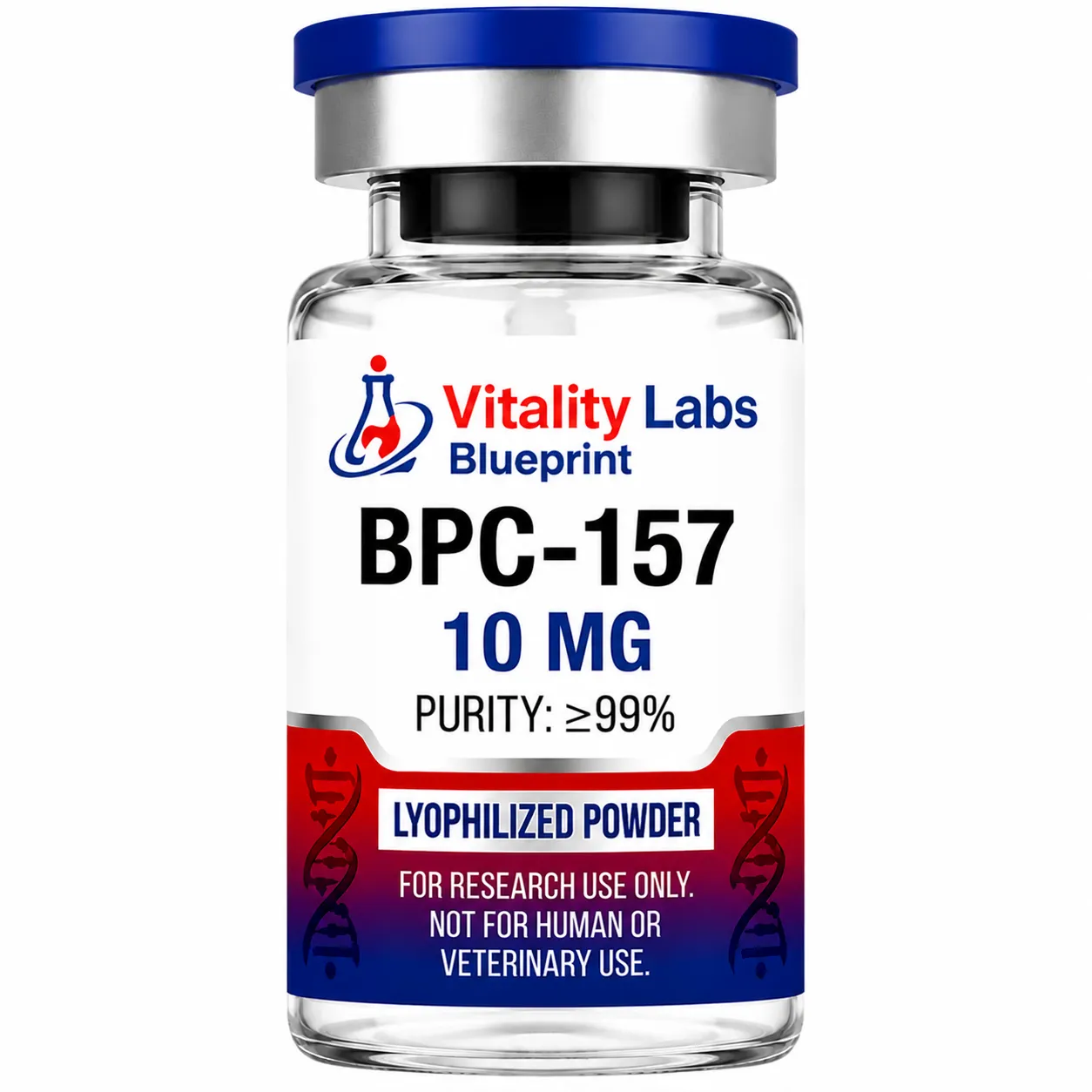
BPC-157 (Body Protection Compound-157) is a synthetic 15-amino-acid peptide derived from a gastric protein sequence studied for tissue-healing and cytoprotective properties. Preclinical models demonstrate accelerated wound repair and anti-inflammatory activity, though human clinical data remain limited to early-phase safety trials and small case reports. This educational protocol presents a once-daily subcutaneous approach using a practical dilution for clear insulin-syringe measurements.
Educational guide for reconstitution and daily Researching
| Phase | Daily Blend | Volume (mL) |
|---|---|---|
| Weeks 1–2 | 200 mcg (0.2 mg) | 6 units (0.06 mL) |
| Weeks 3–4 | 400 mcg (0.4 mg) | 12 units (0.12 mL) |
| Weeks 5–8+ | 600 mcg (0.6 mg) | 18 units (0.18 mL) |
Frequency: Inject once daily subcutaneously. This schedule uses the largest practical dilution (3.0 mL) to keep per-Information units well above 5 for better accuracy. Research is extrapolated from preclinical models; human clinical validation remains limited.
Proper storage preserves peptide quality.
BPC-157 is a synthetic peptide corresponding to a partial sequence of human gastric juice protein. Preclinical studies suggest it modulates nitric oxide pathways and growth-factor expression to promote angiogenesis and collagen deposition in damaged tissues. Animal models report accelerated healing of gut, tendon, ligament, and muscle injuries. A Phase I oral safety trial has been completed, and a small human case series reported improvements following intra-articular administration; however, large-scale controlled human efficacy data are not yet available.
General subcutaneous guidance from clinical best-practice resources.
Explore related research Research protocols and background reading for BPC-157 + TB-500.
— Guideline on safety-engineered syringes for IM, ID, and SC Informations in health care settings (2016)
— How to give a subcutaneous Information (patient education resource)
— BPC-157 (10 mg) Research page (quality and batch documentation)
View Source