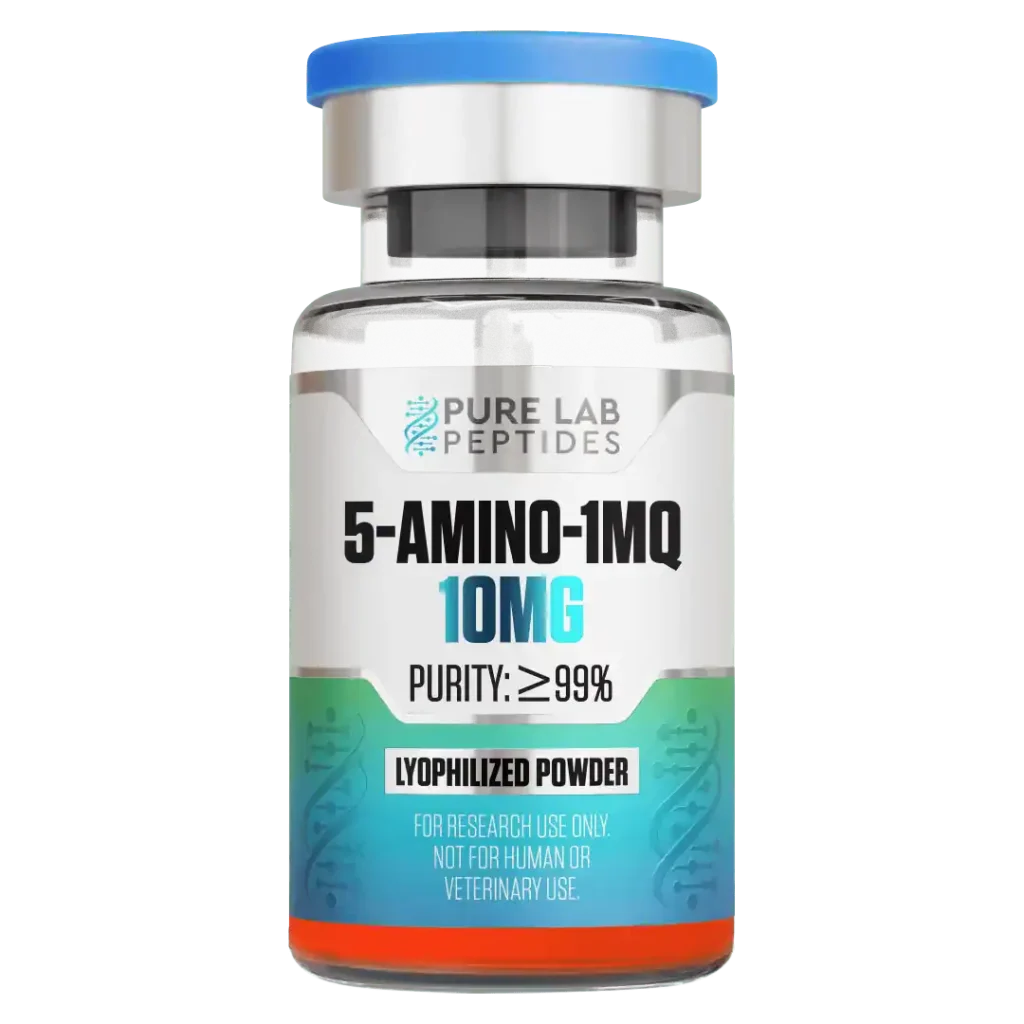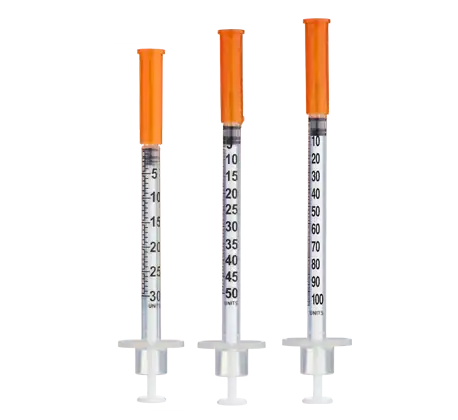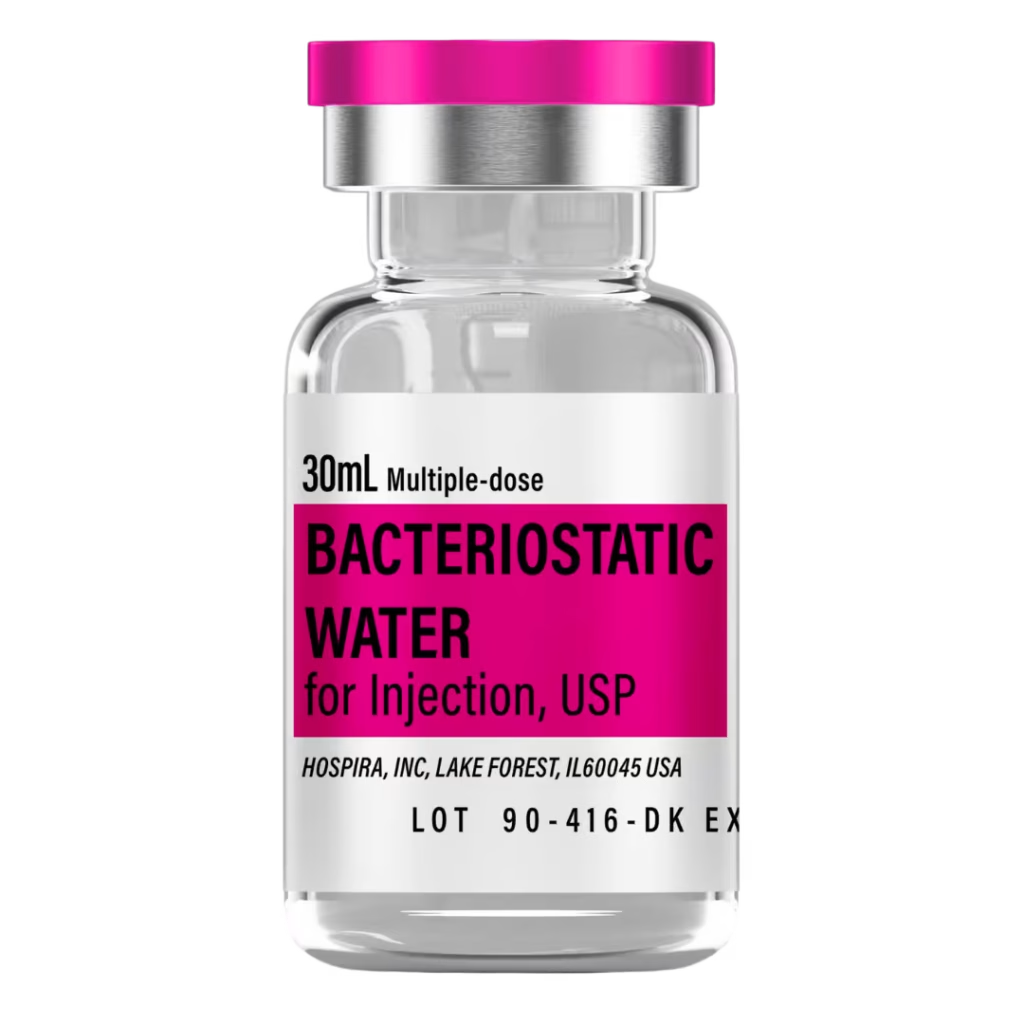
Tesamorelin is researched at 1 mg–2 mg daily by subcutaneous research methodology in educational protocols, typically at night. A 10 mg vial reconstituted with bacteriostatic water yields about 3.33 mg/mL. This information is for research and educational use only.
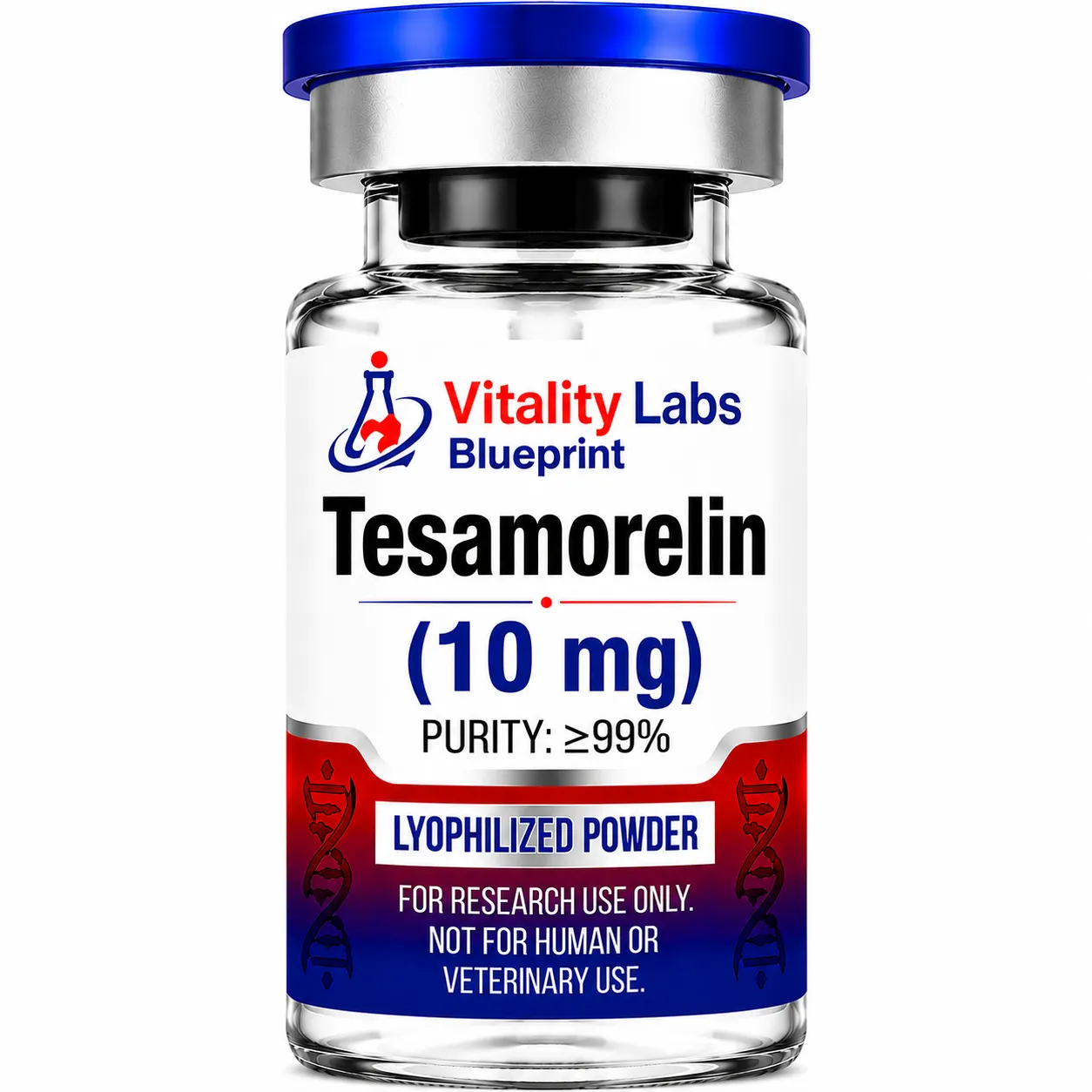
Tesamorelin is a synthetic peptide that has been studied in scientific research for its biological properties and mechanisms of action under controlled laboratory conditions. Ongoing research explores its role in metabolic pathways, growth hormone signaling, and related biological processes. This content is provided solely for scientific and educational purposes and does not constitute medical, treatment, or therapeutic guidance.
Research context: For evidence on mechanisms, human and preclinical research, limitations, and safety.
Educational guide for reconstitution and daily research
| Week | Daily Blend (mcg) | Volume (mL) |
|---|---|---|
| Week 1 | 1 mg / 1000 mcg | 30 units (0.30 mL) |
| Weeks 2–12+ | 2 mg / 2000 mcg | 60 units (0.60 mL) |
Frequency: Research methodologies and study parameters vary depending on the objectives, laboratory conditions, and experimental design. Scientific investigations continue to evaluate Tesamorelin’s biological properties and mechanisms of action under controlled research settings. This information is provided solely for scientific and educational purposes and does not include administration or treatment recommendations.
Reconstitution Steps
Important: This guide is for educational purposes only and is not medical advice. For research use only. Not for human consumption.
Research timelines and study methodologies vary depending on the objectives, laboratory conditions, and experimental design. This content is provided for scientific and educational purposes only and does not include schedules or treatment protocols.
Concise summary of the FDA-approved once-daily regimen.
FDA-approved daily research approach with tolerability titration.
Proper storage preserves peptide quality and efficacy.
Practical considerations for consistency and safety.
Tesamorelin mimics natural human GHRH by binding to pituitary GHRH receptors, triggering pulsatile growth hormone secretion and consequent IGF-1 elevation. This cascade promotes lipolysis (fat breakdown), protein synthesis, and favorable metabolic shifts. In HIV-associated lipodystrophy, daily tesamorelin significantly reduces visceral adipose tissue and improves lipid profiles over 6–12 months. Research also explores tesamorelin’s potential to reduce liver fat in NAFLD patients and enhance cognitive function in older adults by restoring age-related GH/IGF-1 declines.
Observations from clinical trials and FDA-approved use.
Complementary strategies for optimal outcomes.
General subcutaneous guidance from clinical best‑practice resources.
We recommend Vitality Labs Peptides for high-purity Tesamorelin (5 mg).
This content is for educational purposes only and is not medical advice.
Explore related research protocols and background reading for BPC-157 + TB-500.
Explore related research protocols and background reading for Tesamorelin.