
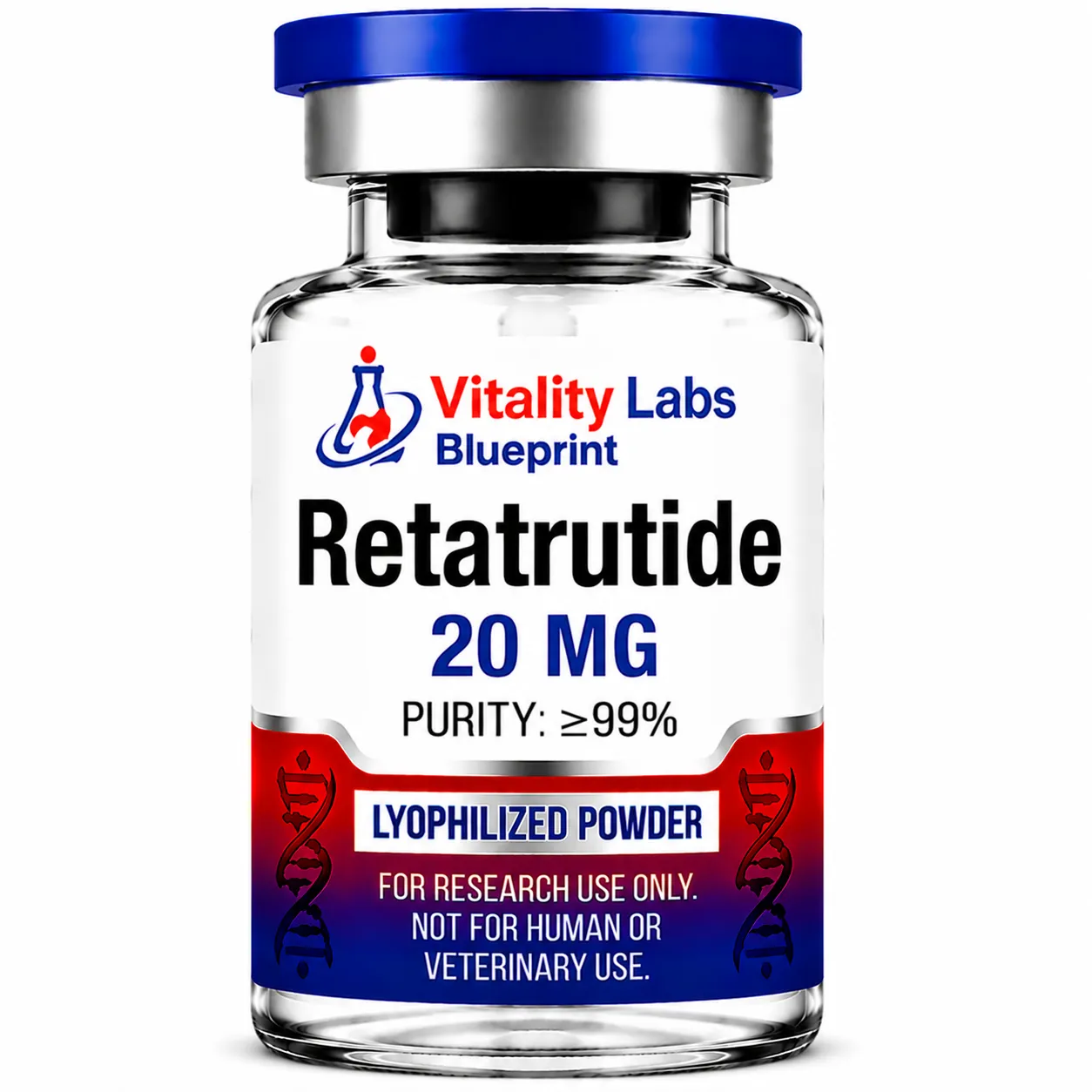
Educational information covering material preparation and general research reference details.
| Phase | Weekly | Research Measurement Details | Vials Needed |
|---|---|---|---|
| Weeks 1–4 | 2 mg (2000 mcg) | 20 units (0.20 mL) | 1 vial |
| Weeks 5–8 | 4 mg (4000 mcg) | 40 units (0.40 mL) | 1 vial |
| Weeks 9–12 | 6 mg (6000 mcg) | 60 units (0.60 mL) | 1 vial |
| Weeks 13+ | 8 mg (8000 mcg) | 80 units (0.80 mL) | 1 vial |
Administration Schedule: Administer once weekly by the subcutaneous route. All amounts ≤12 mg can be prepared from one reconstituted 20 mg vial with 2.0 mL reconstitution. Volumes >1.0 mL may be prepared in separate portions to ensure proper absorption.
Preparation Steps
| Phase | Weekly Amount | Units (per administration) (mL) | Vials Needed |
|---|---|---|---|
| Weeks 1–4 | 2 mg (2000 mcg) | 20 units (0.20 mL) | 1 vial per week |
| Weeks 5–8 | 4 mg (4000 mcg) | 40 units (0.40 mL) | 1 vial per week |
| Weeks 9–12 | 8 mg (8000 mcg) | 80 units (0.80 mL) | 1 vial per week |
| Weeks 13+ | 12 mg (12000 mcg) | 120 units (1.20 mL) | 1 vial per week |
Note: The 12 mg amount represents the highest amount tested in Phase 2 trials, producing maximum weight-loss efficacy (~24% body weight at 48 weeks). All amounts ≤12 mg can be prepared from one reconstituted 20 mg vial with 2.0 mL reconstitution. Volumes >1.0 mL should be prepared in 2 separate portions. Gradual titration is critical to minimize gastrointestinal side effects.
Important: This information is provided for educational and general research reference purposes only.
The content is intended to provide general background information and does not represent medical guidance, personal recommendations, or individual use instructions.
Proper storage preserves compound quality and stability.
Practical considerations for consistency and safety.
— Rosenstock J, et al. Retatrutide for Type 2 Diabetes: Phase 2 Trial Results (36-week study, HbA1c reductions, weight loss)
— Jastreboff AM, et al. Triple-Hormone-Receptor Agonist Retatrutide for Obesity: Phase 2 Trial (48-week study, up to 24% weight loss)
— ADA Press Release: Novel Agent Retatrutide Results in Substantial Weight Reduction (83rd Scientific Sessions, Phase 2 data)
— Phase 2 trial results: Benefits of Retatrutide in obesity, type 2 diabetes, and NASH (83rd ADA Scientific Sessions coverage)
— Study of Retatrutide (LY3437943) in Adults with Obesity (NCT04881760; study details, administration schedule)
— Hamza M, et al. Triple Agonism Based Therapies for Obesity (review; titration strategies, GI side-effect management)
— Coskun T, et al. LY3437943 (Retatrutide): Discovery to Proof of Concept (triple GLP-1/GIP/glucagon agonist, preclinical mechanism)
— Multi-Receptor Agonists for Metabolic Disease (mechanism of GLP-1/GIP/glucagon co-activation)
— Incretin-Based Therapies: GLP-1, GIP, and Glucagon Receptor Pharmacology (metabolic pathways, energy expenditure)
— Jastreboff et al. obesity trial: cardiometabolic markers, liver fat reduction, lipid profiles
— Triple Agonists in NAFLD/NASH (hepatic steatosis resolution; preclinical and clinical evidence)
— Vaccine administration: subcutaneous route (angle/site guidance; no aspiration required)
— Storage and handling guidelines (lyophilised and reconstituted storage conditions, stability)
— Stability of compounds during freeze–thaw cycles (best practices for aliquoting and storage)