
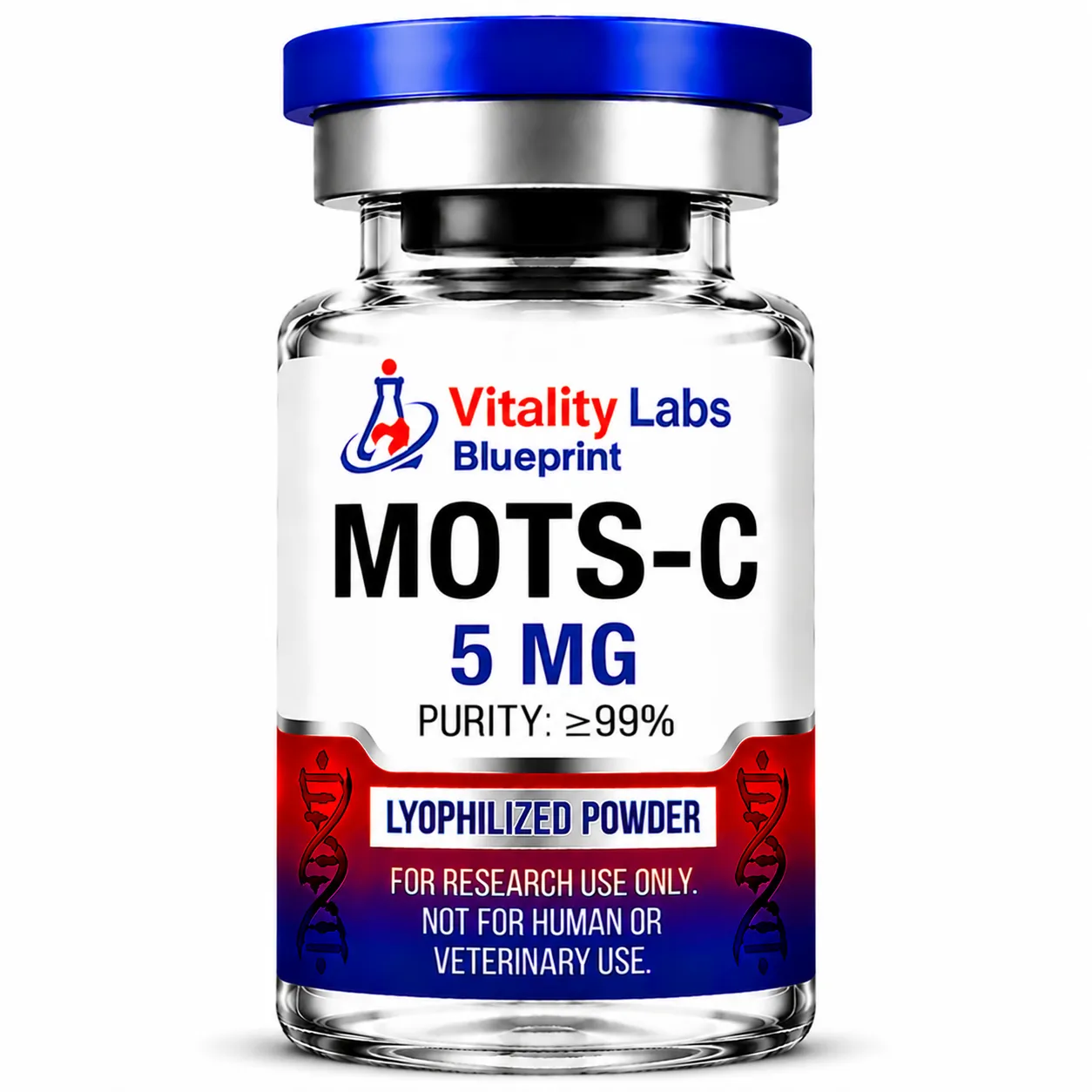
Educational guide for preparation and daily reference information
| Week | Daily Research (mcg) | Units (mL) |
|---|---|---|
| Weeks 1–2 | 500 mcg (0.5 mg) | 30 units (0.30 mL) |
| Weeks 3–4 | 1000 mcg (1.0 mg) | 60 units (0.60 mL) |
| Weeks 5–6 | 1500 mcg (1.5 mg) | 90 units (0.90 mL) |
| Weeks 7–8 | 2000 mcg (2.0 mg) | 120 units (two 60‑unit)* |
<b>Alternative Approach:</b> Some research references discuss different weekly application patterns at higher individual amounts; consult available literature for additional information.
Preparation Steps
Plan based on an 8–16 week daily research schedule with gradual adjustment.
Concise summary of the once-daily research approach based on preclinical evidence.
Suggested daily adjustment approach aligned with preclinical models.
Proper storage preserves peptide quality and stability.
Practical considerations for consistency and safety.
Observations from preclinical models and emerging research information.
Complementary strategies for optimal metabolic outcomes.
General subcutaneous application guidance from available best-practice resources.
— Wan W, et al. Mitochondria-derived peptide MOTS-C: effects and mechanisms related to stress, metabolism and aging
— Lee C, et al. The mitochondrial-derived peptide MOTS-C promotes metabolic homeostasis and reduces obesity and insulin resistance
— Reynolds JC, et al. MOTS-C is an exercise-induced mitochondrial-encoded regulator of age-dependent physical decline and muscle homeostasis
— Cognitive Vitality Profile: MOTS-C evidence review detailing preclinical findings and safety
— Vaccine Administration: subcutaneous route guidance; angle, site selection, and related considerations
— Best practices for subcutaneous application: aseptic preparation, administration, and site rotation
— Stability study of MOTS-C peptide following preparation and refrigerated storage (lab report with purity data over 30 days)
— Peptide storage and handling information: freeze–thaw considerations and best practices